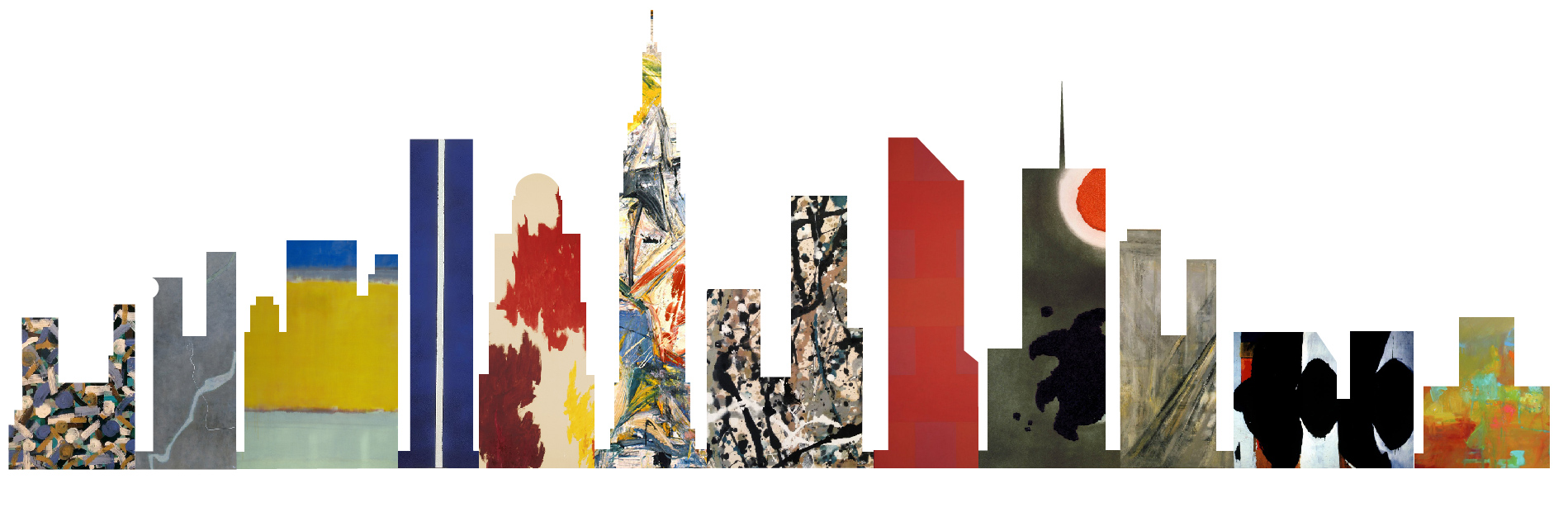
Artists (1955-1965)
JACKSON POLLOCK
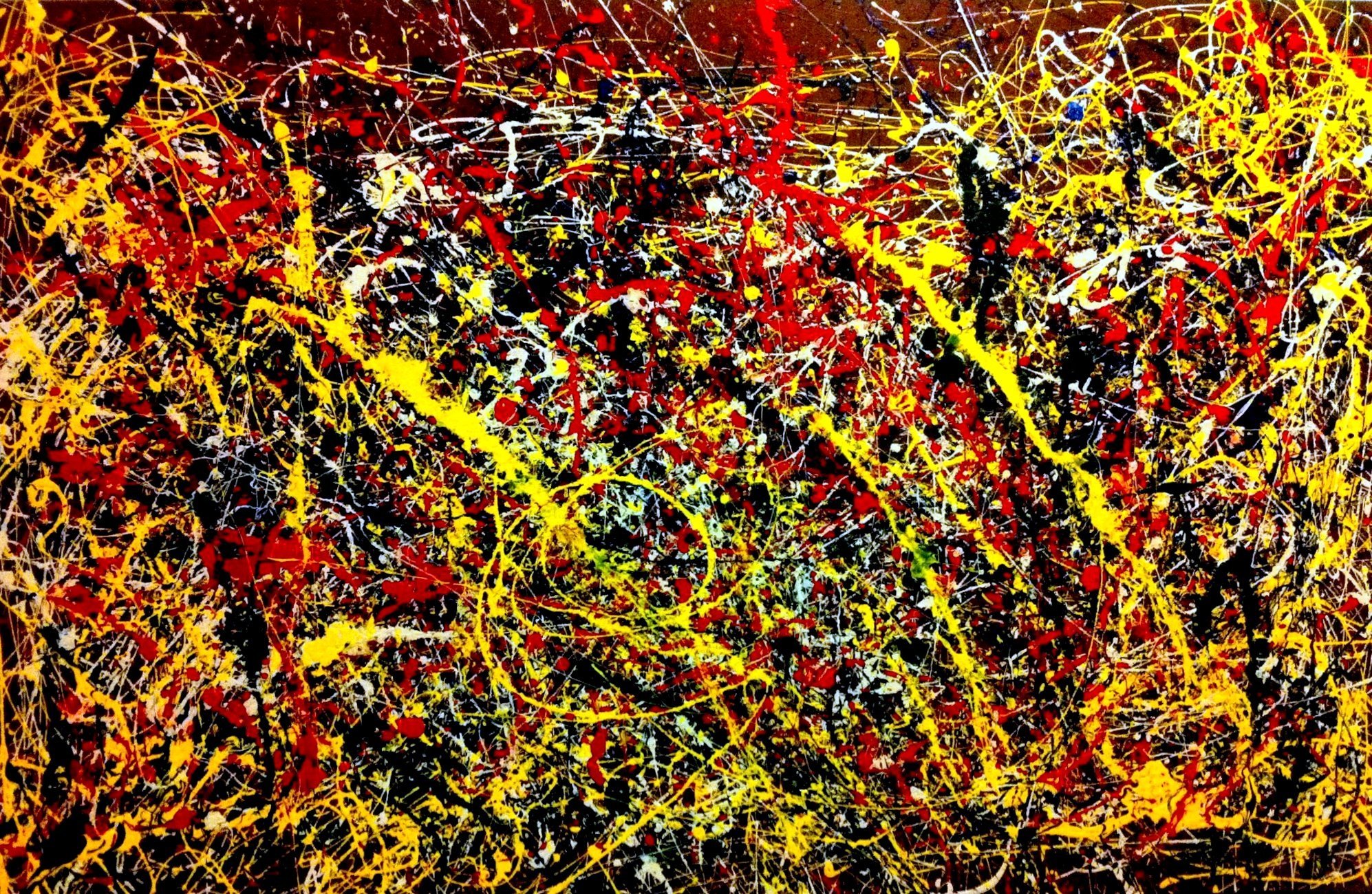
Jackson Pollock was an influential American painter, and the leading force behind the abstract expressionist movement in the art world. During his lifetime, Pollock enjoyed considerable fame and notoriety. Jackson Pollock's greatness lies in developing one of the most radical abstract styles in the history of modern art, detaching line from color, redefining the categories of drawing and painting, and finding new means to describe pictorial space. By the mid 1940s, Jackson Pollock introduced his famous 'drip paintings', which represent one of the most original bodies of work of the century, and forever altered the course of American art. At times the new art forms could suggest the life-force in nature itself, at others they could evoke man's entrapment - in the body, in the anxious mind, and in the newly frightening modern world.
ROBERT MOTHERWELL
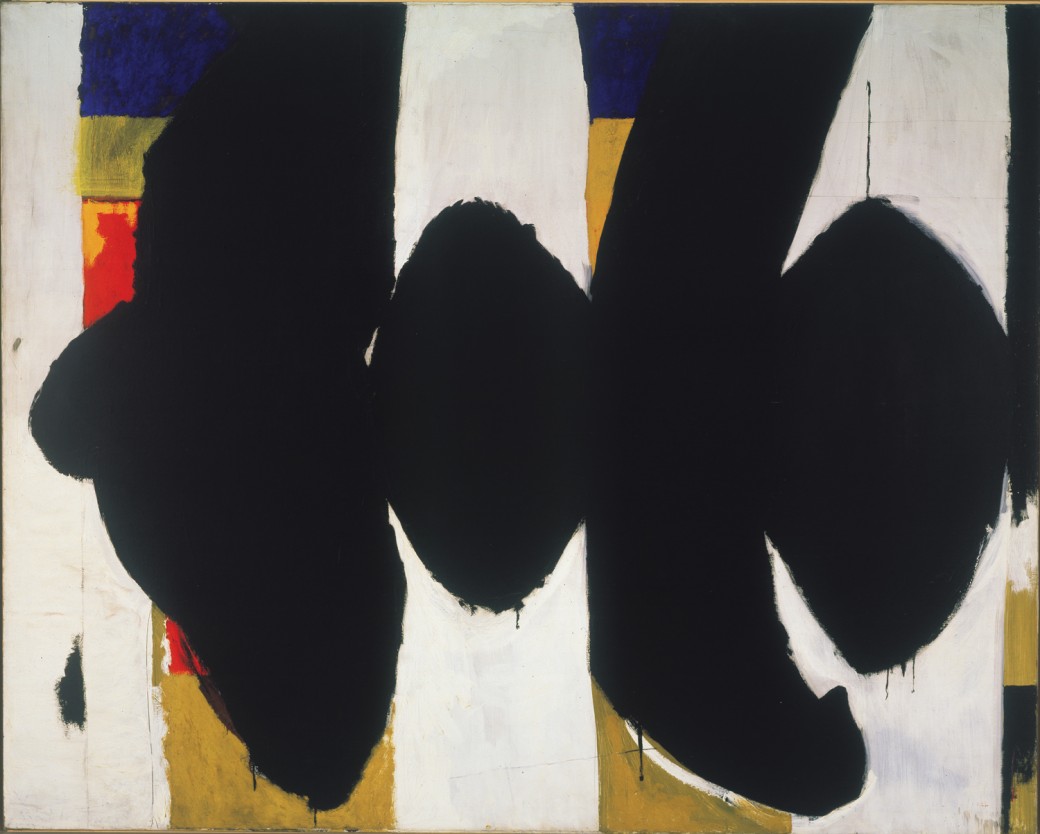
Possessing perhaps the best and most extensive formal education of all the New York School painters, Robert Motherwell was well versed in literature, philosophy and the European modernist traditions. His paintings, prints and collages feature simple shapes, bold color contrasts and a dynamic balance between restrained and boldly gestural brushstrokes. They reflect not only a dialogue with art history, philosophy and contemporary art, but also a sincere and considered engagement with autobiographical content, contemporary events and the essential human conditions of life, death, oppression and revolution.
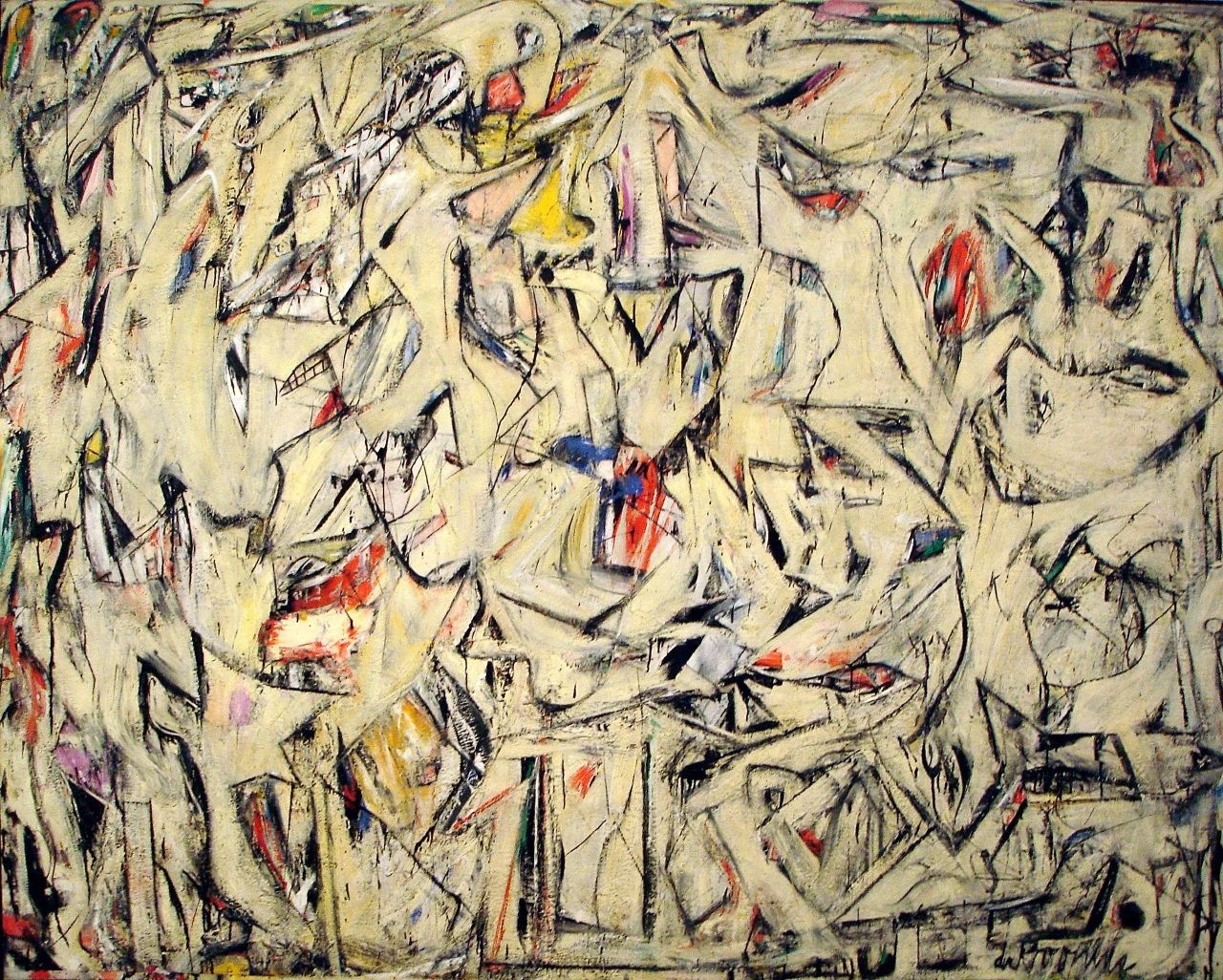
WILLIAM DE KOONING
After Jackson Pollock, de Kooning was the most prominent and celebrated of the Abstract Expressionist painters. His pictures typify the vigorous gestural style of the movement and he, perhaps, did more than any of his contemporaries to develop a radically abstract style of painting that fused Cubism, Surrealism and Expressionism. Although he established his reputation with a series of entirely abstract pictures, he felt a strong pull towards traditional subjects and would eventually become most famous for his pictures of women, which he painted in spells throughout his life. Later he turned to landscapes, which were also highly acclaimed, and which he continued to paint even into his eighties, when his mind was significantly impaired by Alzheimer's disease.
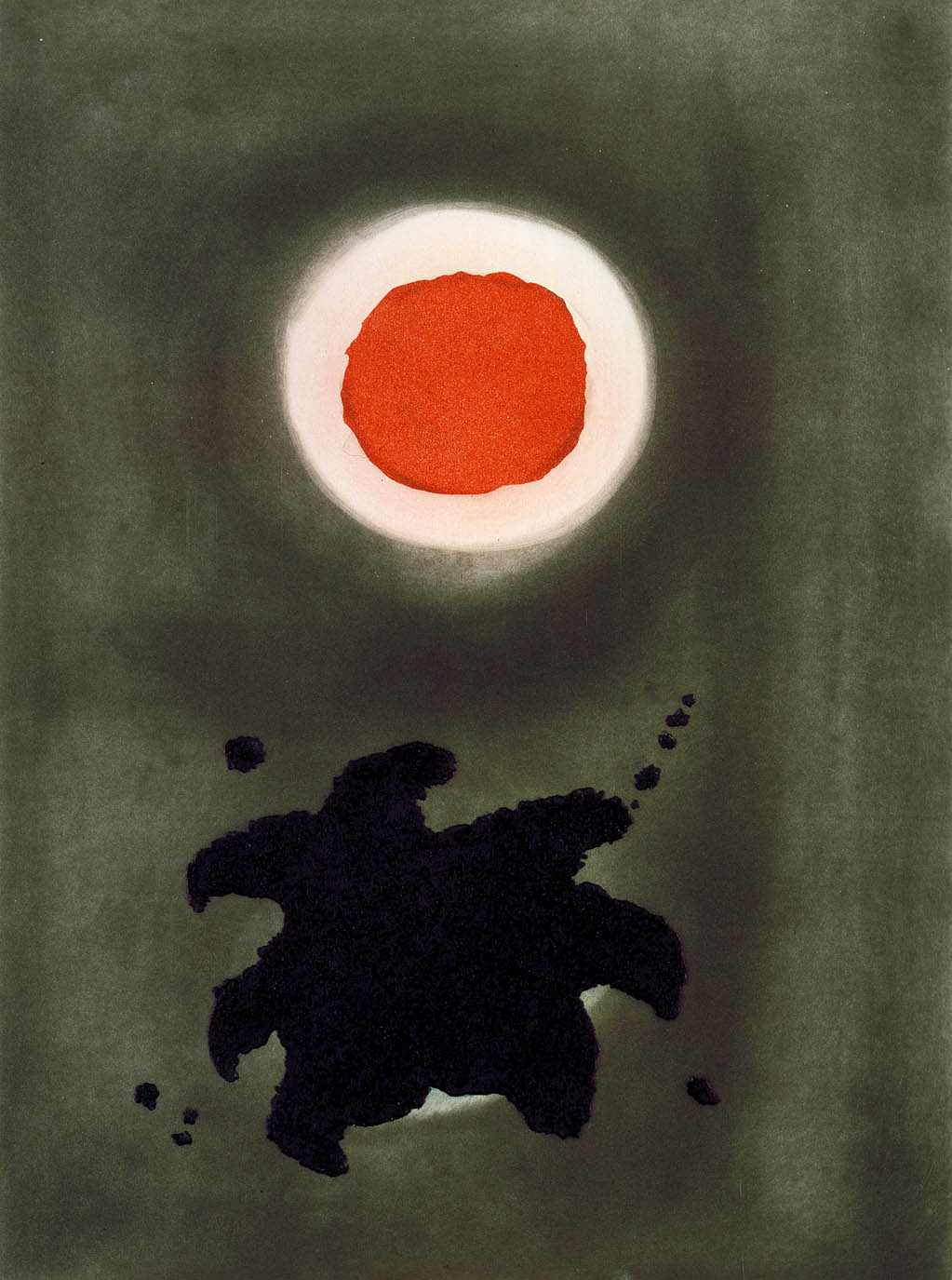
ADOLPH GOTTLIEB
Growing up during the Depression and maturing throughout the interwar period and the rise of Hitler, American painter Adolph Gottlieb staunchly defended the art of the avant-garde -- Abstract Expressionism in particular -- for its ability to express authentic feeling in the face of the trauma of World War II. The themes of Gottlieb's paintings over the course of more than three decades still help us come to terms with both the difficulties -- such as evil, war, violence, and ignorance -- that we as humans encounter, as well as moments of the sublime aspiration and realization. Gottlieb's art employed universal symbols of his own invention that transcended time, place, and language to appeal to the level of the unconscious mind and to offer a pathway of release from a trouble-ridden period in history.

AD REINHART
Ad Reinhardt was a prominent American abstract artist, writer, critic, and educator. Although commonly associated with the Abstract Expressionists, his work had its origins in geometric abstraction, and, increasingly seeking to purify his painting of everything he saw as extraneous to art, he rejected the movement's expressionism. Although he was in turn rejected by many of his peers, he was later hailed as a prophet by Minimalists. His Black Paintings, which occupied him from 1954 until his death, are regarded as his crowning achievement, while the many cartoons he created that made fun of the art world brought him fame as a wry commentator.
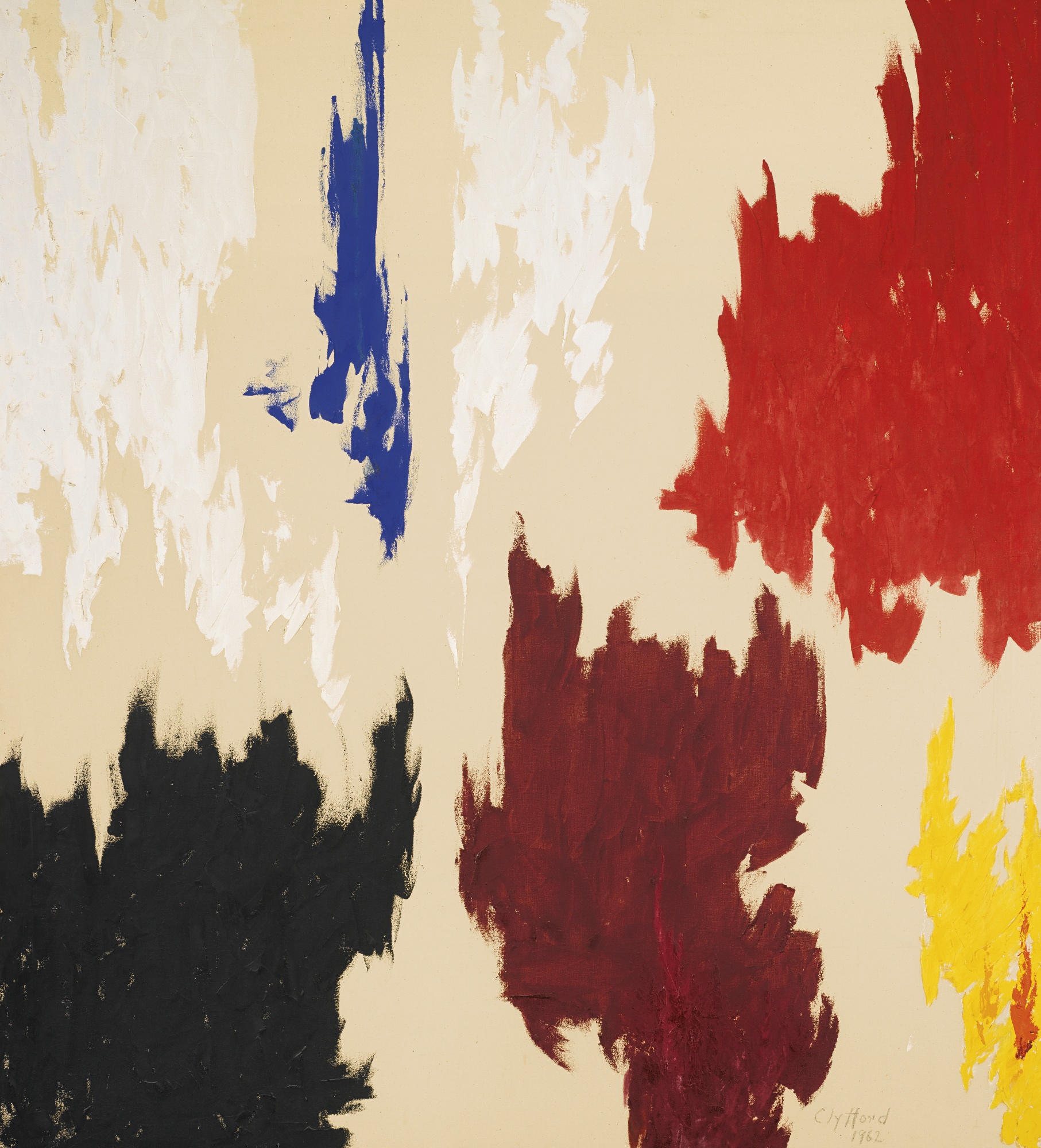
CLYFFORD STILL
Although not as widely known as some of his New York School contemporaries, Clyfford Still was the first to break through to a new and radically abstract style devoid of obvious subject matter. His mature pictures employ great fields of color to evoke dramatic conflicts between man and nature taking place on a monumental scale. "These are not paintings in the usual sense," he once said, "they are life and death merging in fearful union.. they kindle a fire; through them I breathe again, hold a golden cord, find my own revelation." A believer in art's moral value in a disorienting modern world, Still would go on to influence a second generation of Color Field painters.
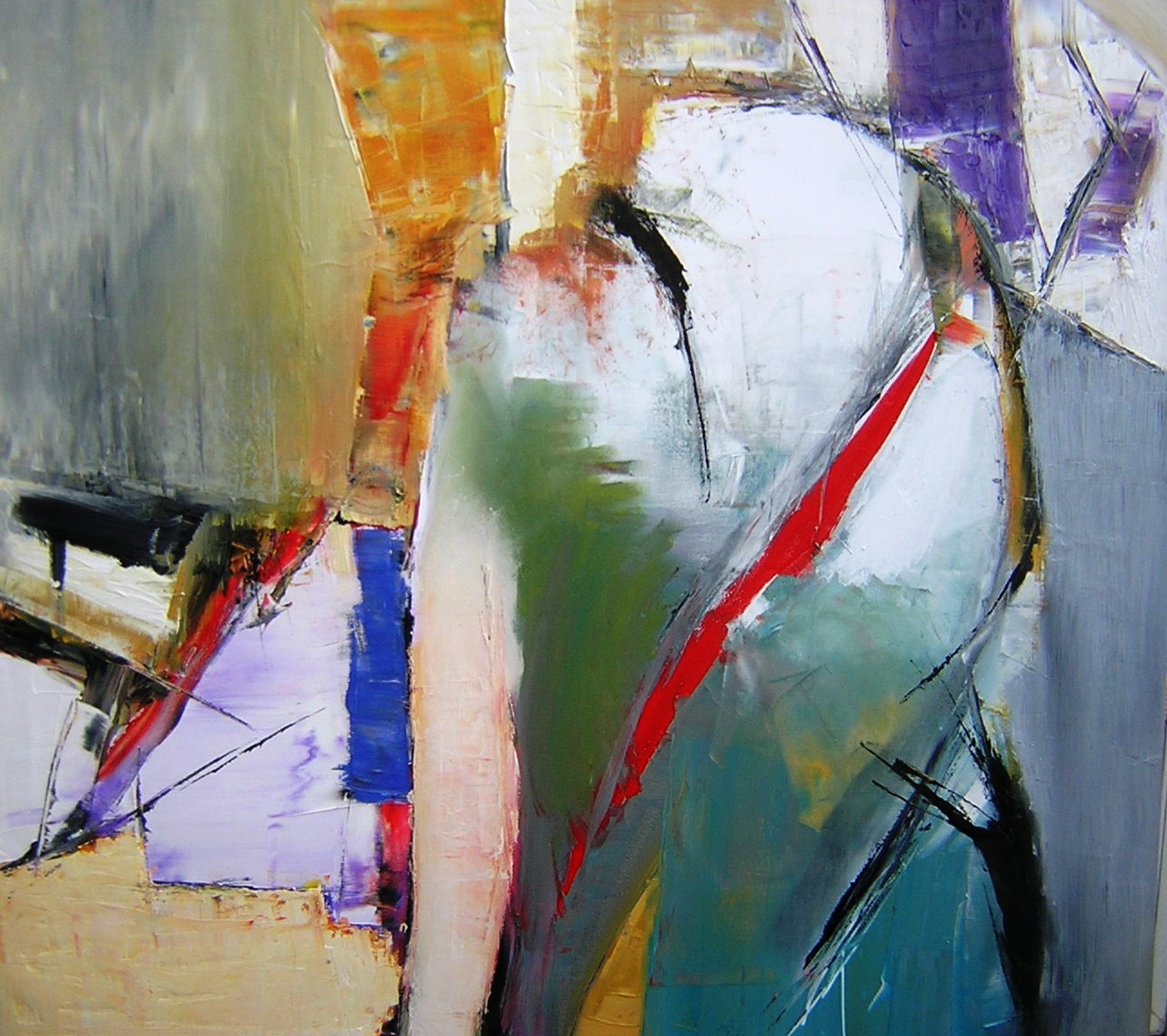
HEDDA STERNE
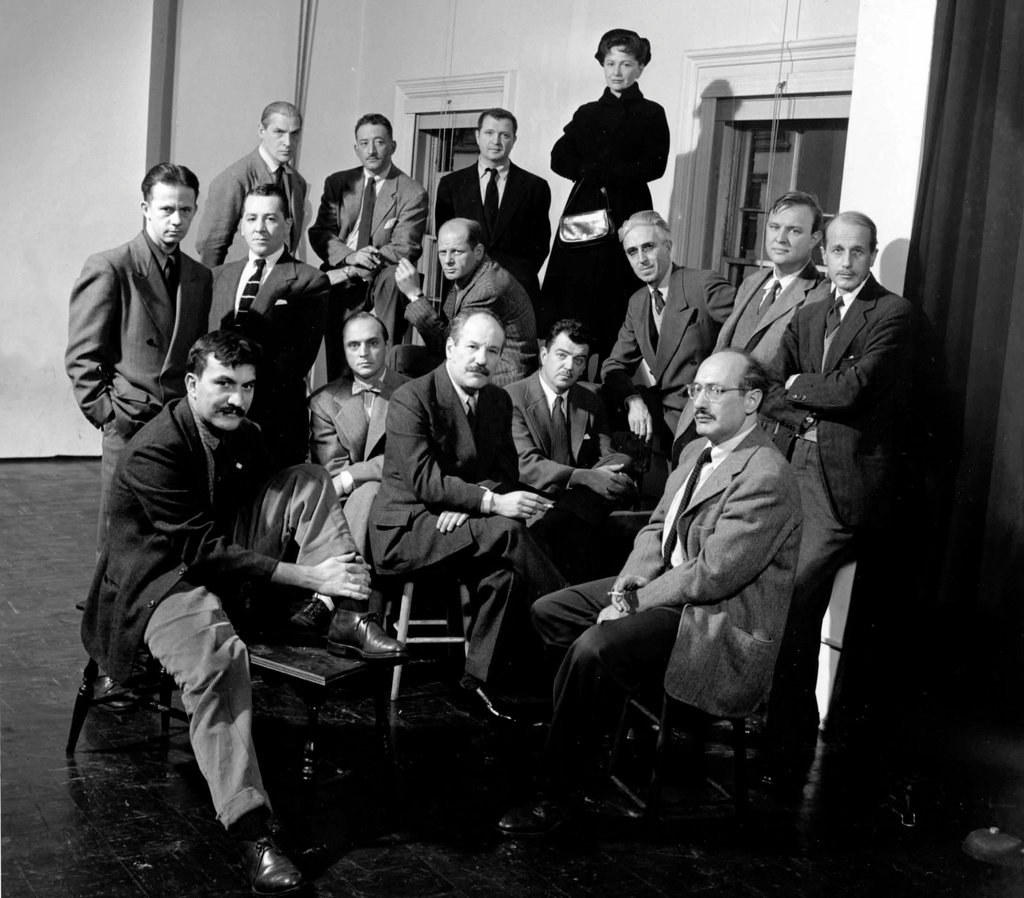
Hedda Sterne (born Hedwig Lindenberg) was an artist best remembered as the only woman in a group of Abstract Expressionists known as "The Irascibles" which consisted of Jackson Pollock, Willem de Kooning, Barnett Newman, Mark Rothko, and others. Sterne was, in fact, the only woman photographed with the group by Nina Leen for Life magazine in 1950. In her artistic endavors she created a body of work known for exhibiting a stubborn independence from styles and trends, including Surrealism and Abstract Expressionism, with which she is often associated.
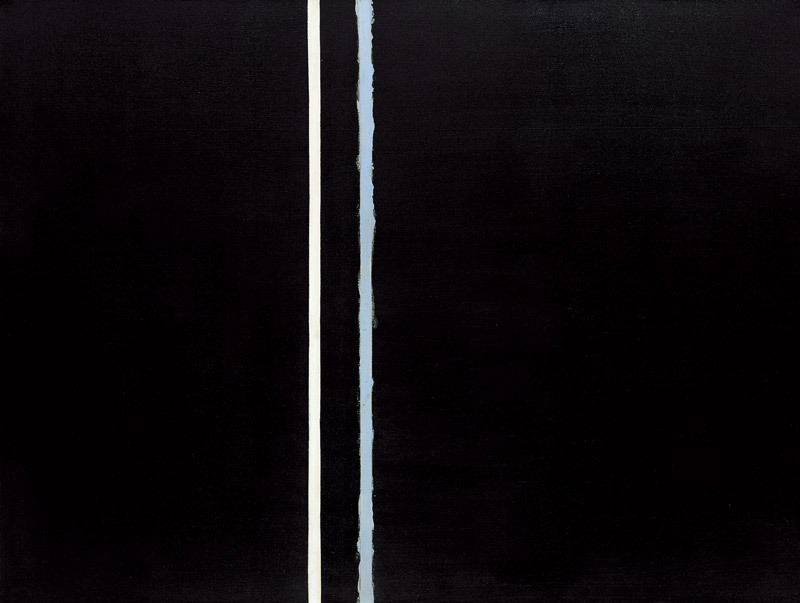
BARNETT NEWMAN
Newman shared the Abstract Expressionists' interests in myth and the primitive unconscious, but the huge fields of color and trademark "zips" in his pictures set him apart from the gestural abstraction of many of his peers. The response to his mature work, even from friends, was muted when he first exhibited it. It was not until later in his career that he began to receive acclaim, and he would subsequently become a touchstone for both Minimalists and a second generation of Color Field painters. Commenting on one of Newman's exhibitions in 1959, critic Thomas B. Hess wrote, "he changed in about a year's time from an outcast or a crank into the father figure of two generations."
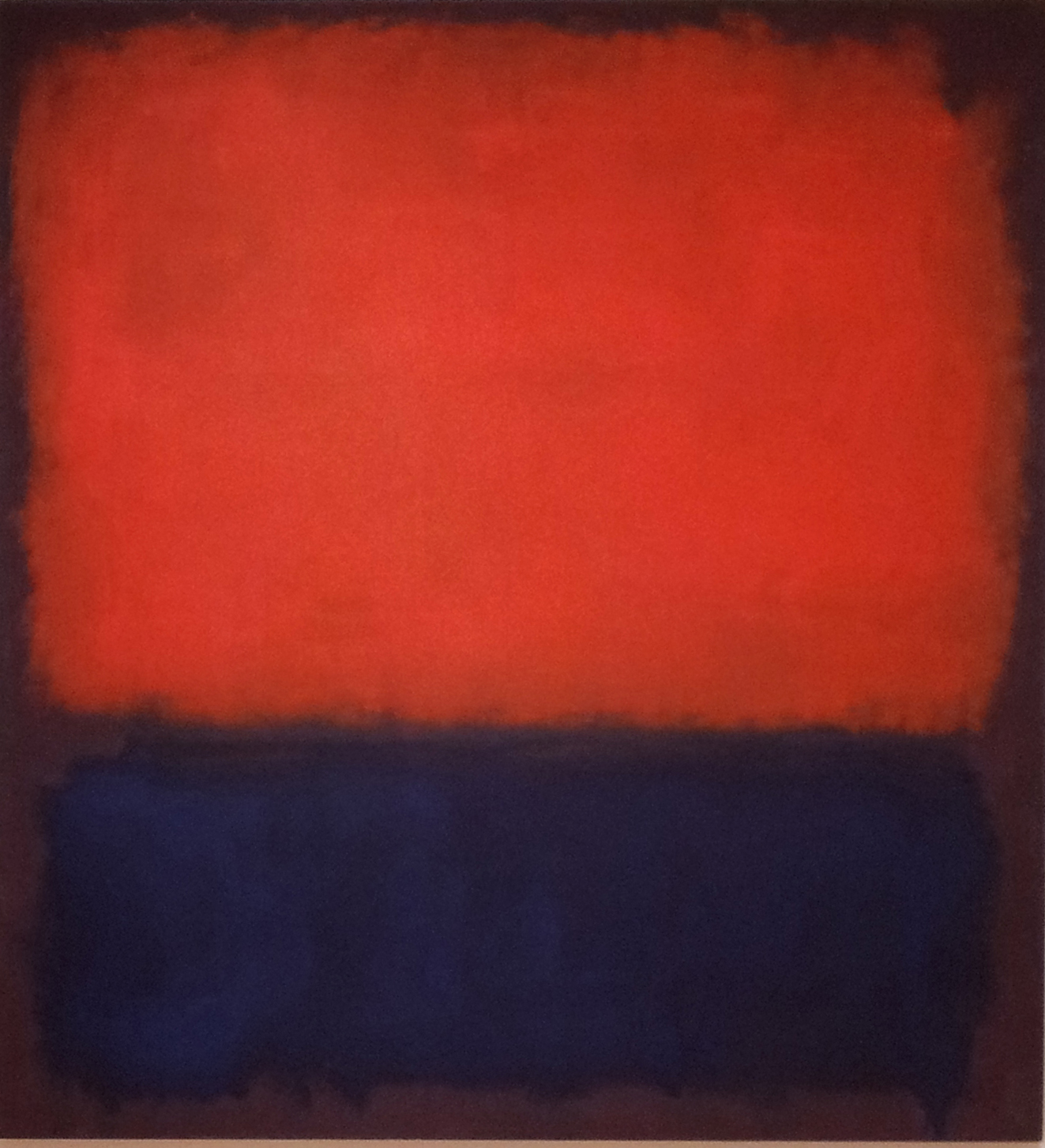
MARK ROTHKO
A prominent figure among the New York School painters, Mark Rothko moved through many artistic styles until reaching his signature 1950s motif of soft, rectangular forms floating on a stained field of color. Heavily influenced by mythology and philosophy, he was insistent that his art was filled with content, and brimming with ideas. A fierce champion of social revolutionary thought, and the right to self-expression, Rothko also expounded his views in numerous essays and critical reviews.Rothko's early figurative work - including landscapes, still lifes, figure studies, and portraits - demonstrated an ability to blend Expressionism and Surrealism. His search for new forms of expression led to his Color Field paintings, which employed shimmering color to convey a sense of spirituality.
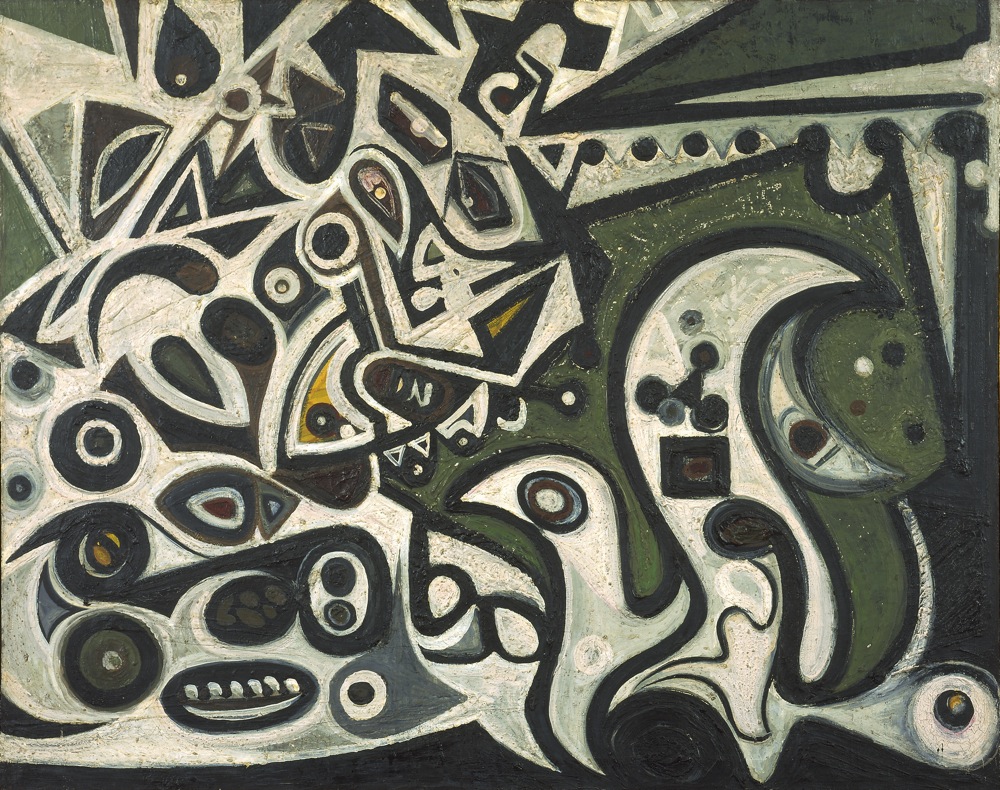
RICHARD POUSETTE-DART
The painter Richard Pousette-Dart was the youngest member of the first generation of Abstract Expressionists. His early work, marked by thick black contour lines and primitive themes, gave way to a freer abstract style in the 1940s, and to light-infused, pointillist paintings in the 1950s and 1960s. Although initially associated with the classic Abstract Expressionist angst, his work maintained a more transcendent and positive quality to it, increasingly focused on the expression of spiritual ideals in paint and color. Pousette-Dart's paintings are imbued with a sense of the spiritual and the mythic, evoking primordial forms and scenes.
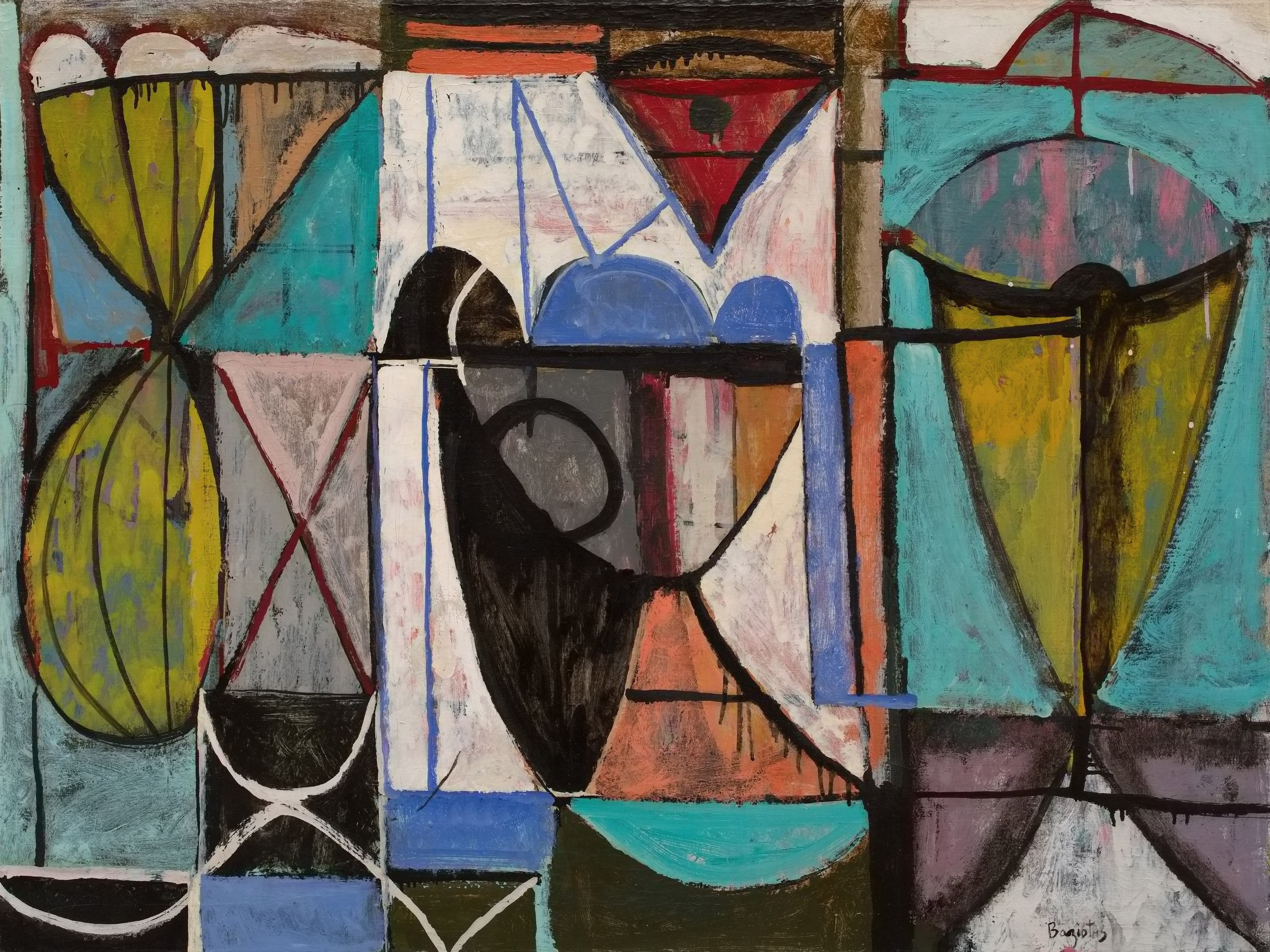
WILLIAM BAZIOTES
William Baziotes was a New York painter whose lyrical and often mysterious works relied heavily on subject matter derived from biomorphism and Symbolist poetry. He was an integral part of the Abstract Expressionist circle and exhibited with them frequently. Like his peers, he was deeply committed to concerns of paint application and abstracted forms, yet his interest in the medium of paint was combined with many sources for his imagery to produce works that evoked particular moods, or dream-like states - often more closely related to European Surrealism than to Abstract Expressionism. This duality in his work was described as "biomorphic abstraction" and was influential to artists such as Mark Rothko.
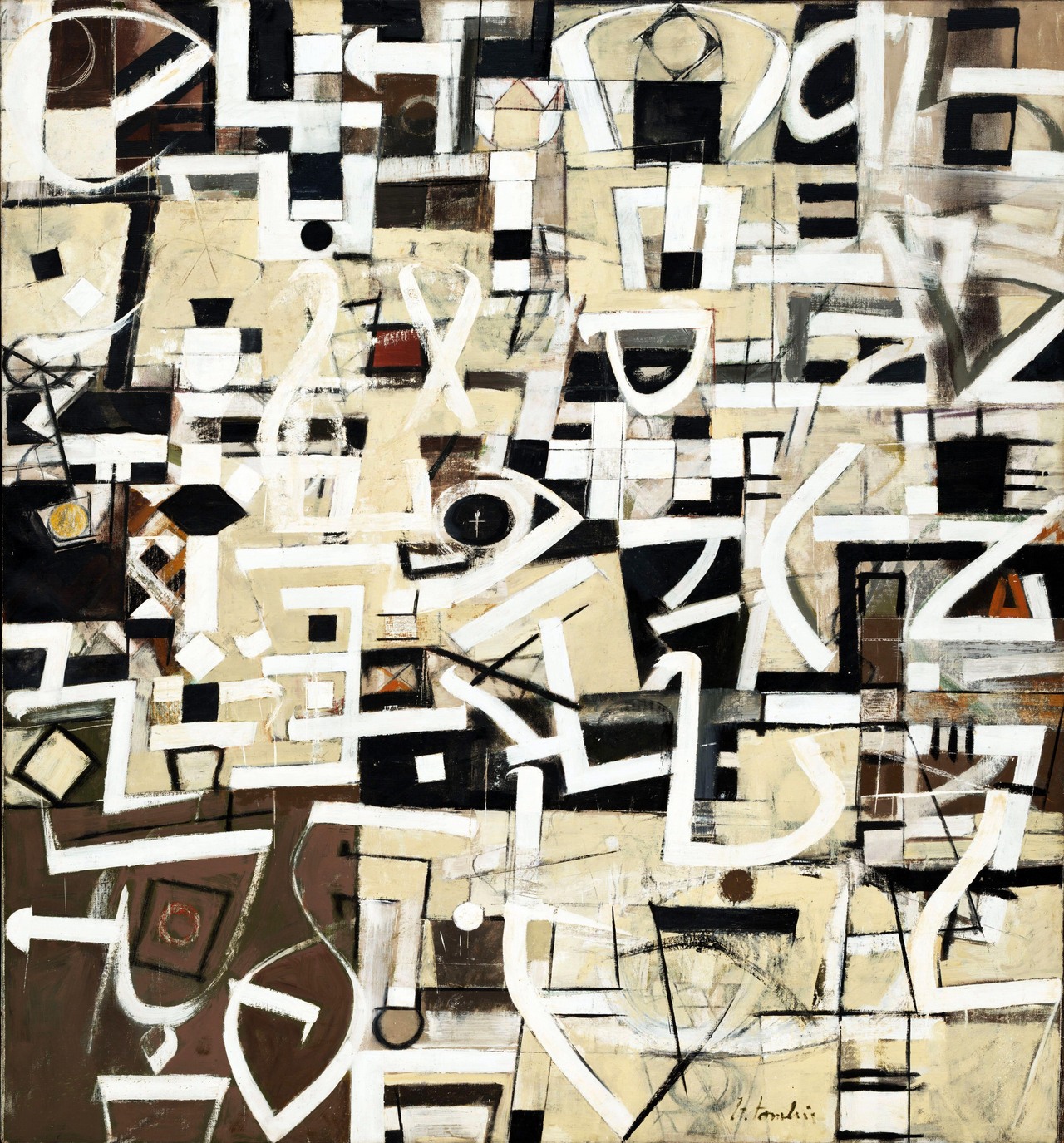
BRADLEY TOMLIN
A refined, subdued presence among the abstract expressionists, Bradley Walker Tomlin created paintings that were both forceful and original in their sensitive color and compositional restraint. From 1939 to 1944, Tomlin worked in a cubist mode that had a decorative quality. In 1945, Tomlin met Adolph Gottlieb, through whom he became associated with Robert Motherwell, Phillip Guston, and Jackson Pollock. Influenced by their abstract and expressive styles, Tomlin turned away from cubism to adopt a more spontaneous and abstract style, as he began experimenting with automatism. Although Tomlin’s art was affected by the work of these Abstract Expressionists, he developed a stylistic idiom that was somewhat more subdued and restrained, and wholly his own.
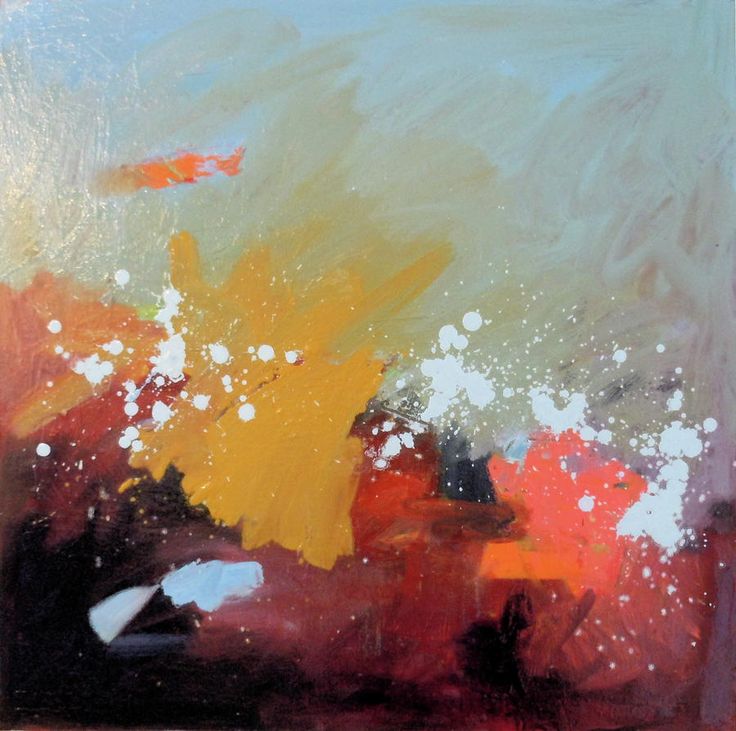
JAMES BROOKS
James Brooks was primarily an abstract painter, fascinated by the painterly accidents yielded by diluting oil paint with glue, enamel, and other household products. An early Abstract Expressionist and friend of Jackson Pollock, he experimented with Automatism and free brushwork after discarding the Social Realism of his early career (during which he created one of his most famous works, Flight (1942), a mural at LaGuardia Airport). Brooks was a pioneer in the use of staining, dilution, and accidental deterioration of canvases to create uncontrolled abstraction; he often applied his mixtures of commercial products and paints directly from the tube to create thick, deep surfaces, before adding in fluid lines and abstract shapes. His later works moved towards a purer exploration of color and form.
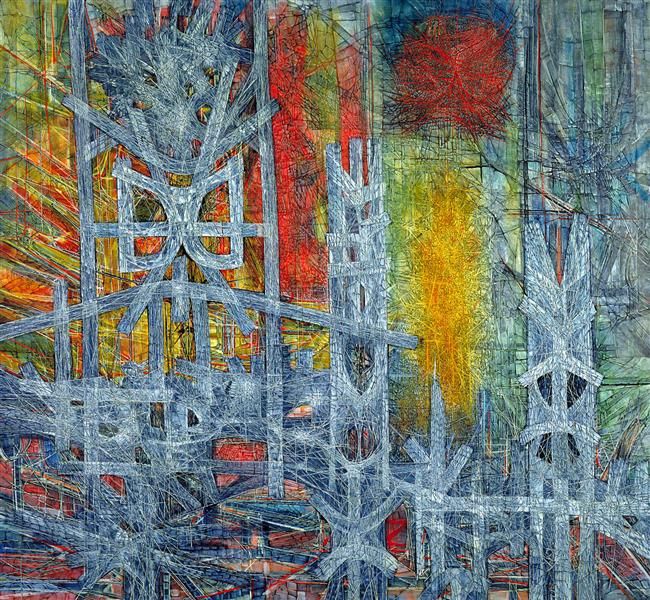
JIMMY ERNEST
James Brooks was primarily an abstract painter, fascinated by the painterly accidents yielded by diluting oil paint with glue, enamel, and other household products. An early Abstract Expressionist and friend of Jackson Pollock, he experimented with Automatism and free brushwork after discarding the Social Realism of his early career (during which he created one of his most famous works, Flight (1942), a mural at LaGuardia Airport). Brooks was a pioneer in the use of staining, dilution, and accidental deterioration of canvases to create uncontrolled abstraction; he often applied his mixtures of commercial products and paints directly from the tube to create thick, deep surfaces, before adding in fluid lines and abstract shapes. His later works moved towards a purer exploration of color and form.